Engineering Critical Infrastructure for Sustainable Growth
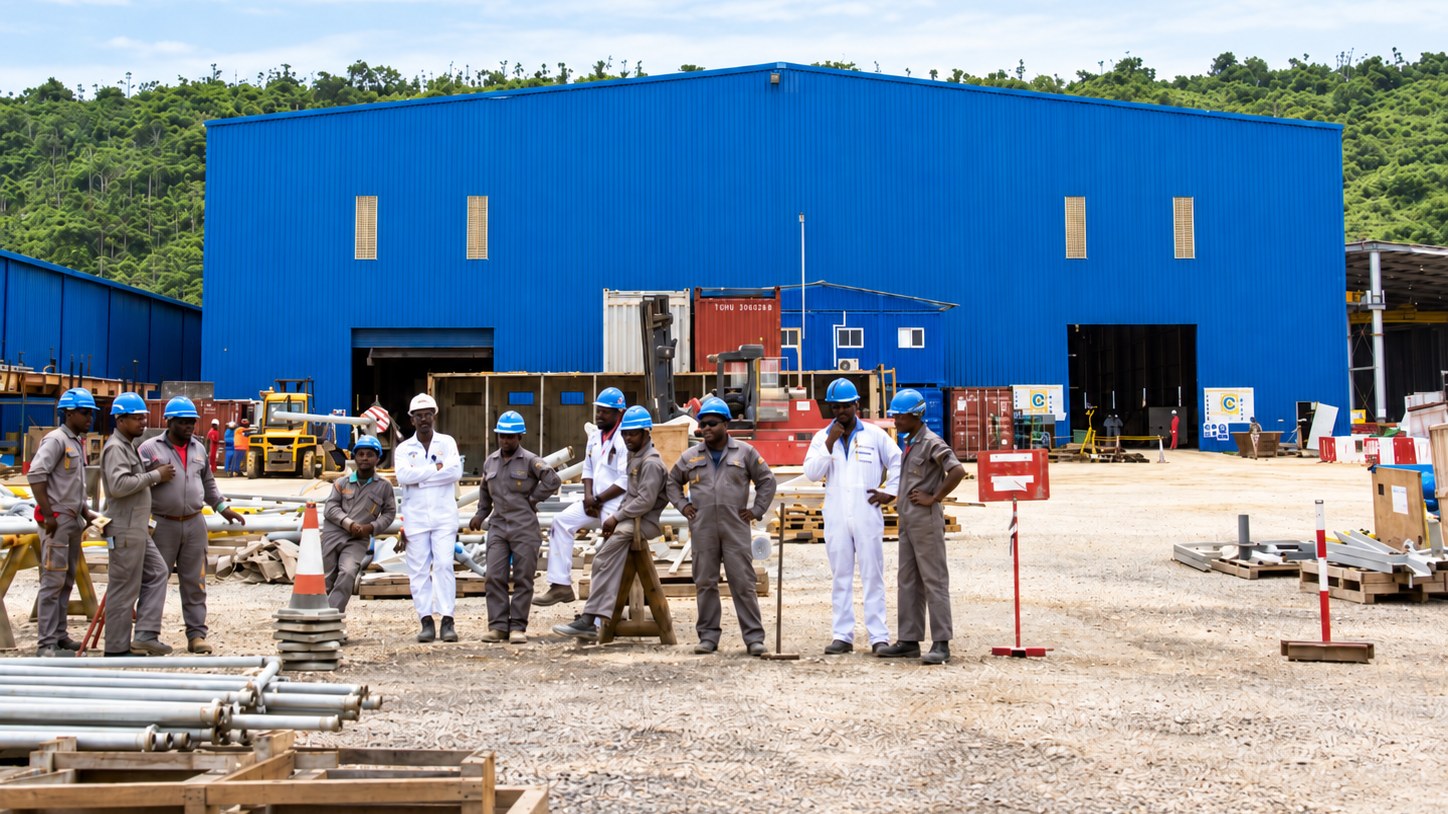
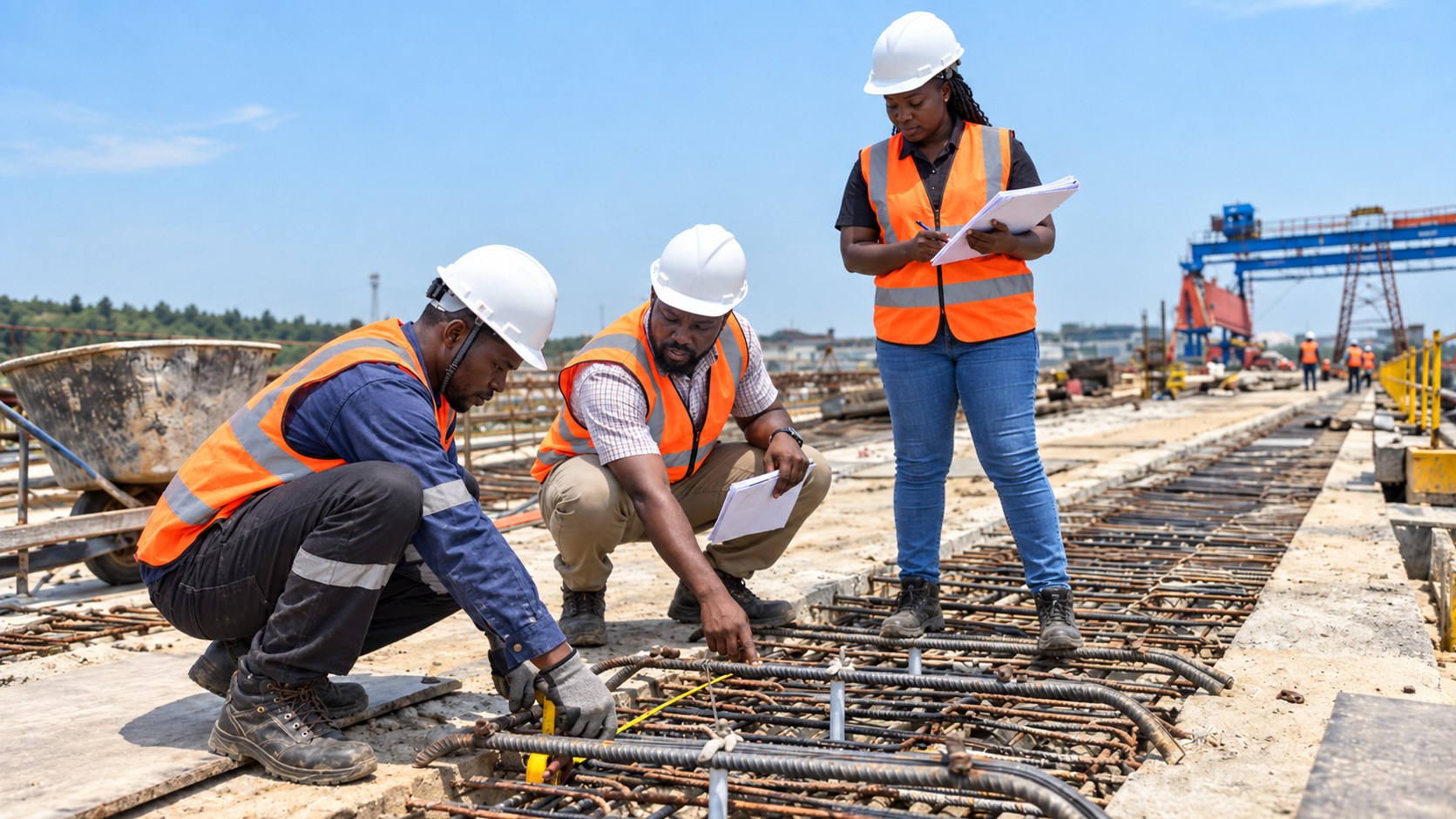
We design and deliver resilient infrastructure systems across power, water, utilities, environmental engineering and building technologies, supporting the industries, institutions and communities that drive sustainable development.
Ten infrastructure solution domains delivered as integrated development rather than isolated construction: buildings, utilities, energy and the engineering management that binds them into working assets.
Critical infrastructure for demanding environments
We support facilities where reliable power, water, environmental control, safety and digital visibility are essential to daily operations.
Healthcare & Life Sciences
Facilities where clinical care, regulated production and scientific work depend on utilities that hold their condition continuously.
What the infrastructure has to doElectrical resilience, medical and clean utilities, air handling and pressure control, treated water, and life-safety systems.
SectorsHealthcare · Pharmaceuticals · Research
Organisations we supportHospitals · Pharmaceutical Manufacturers · Research Institutes
Systems most often involvedPower & Electrical Resilience · HVAC, Cooling & Clean Utilities · Water & Environmental Systems · Fire, Safety & Facility Protection
Facilities where clinical care, regulated production and scientific work depend on utilities that hold their condition continuously.
What the infrastructure has to doElectrical resilience, medical and clean utilities, air handling and pressure control, treated water, and life-safety systems.
SectorsHealthcare · Pharmaceuticals · Research
Organisations we supportHospitals · Pharmaceutical Manufacturers · Research Institutes
Systems most often involvedPower & Electrical Resilience · HVAC, Cooling & Clean Utilities · Water & Environmental Systems · Fire, Safety & Facility Protection
Infrastructure designed around operational performance
Infrastructure is the foundation upon which every productive facility depends. Utilities decide whether a facility is safe, whether it keeps producing, what it costs to run and how far it can grow.
Every infrastructure decision should improve long-term operational value.
Reliable infrastructure
Safe OperationsProtection, isolation and life-safety systems designed in from the first drawing.
Continuous ProductionRedundancy and standby capacity sized so a single fault does not stop the facility.
Energy EfficiencyLoads, plant selection and control strategies examined together, not separately.
Operational ResilienceSupply, water and environmental risk anticipated at planning stage.
Future ExpansionCapacity, routes and space reserved so growth does not mean rebuilding.
Running across all five
Digital TransformationMonitoring and control make each outcome visible and measurable.
Environmental ComplianceEmissions, effluent and resource use are engineered into every system.
Core Capabilities
Integrated utility systems for reliable facilities
Six engineered systems, planned together rather than procured separately, so a facility gets one utility design instead of a collection of installations.
Utility Master Planning
Before any system is specified, demand, capacity, condition and growth are established for the whole facility. The master plan is what keeps the six systems below sized as one design rather than eight separate procurements.
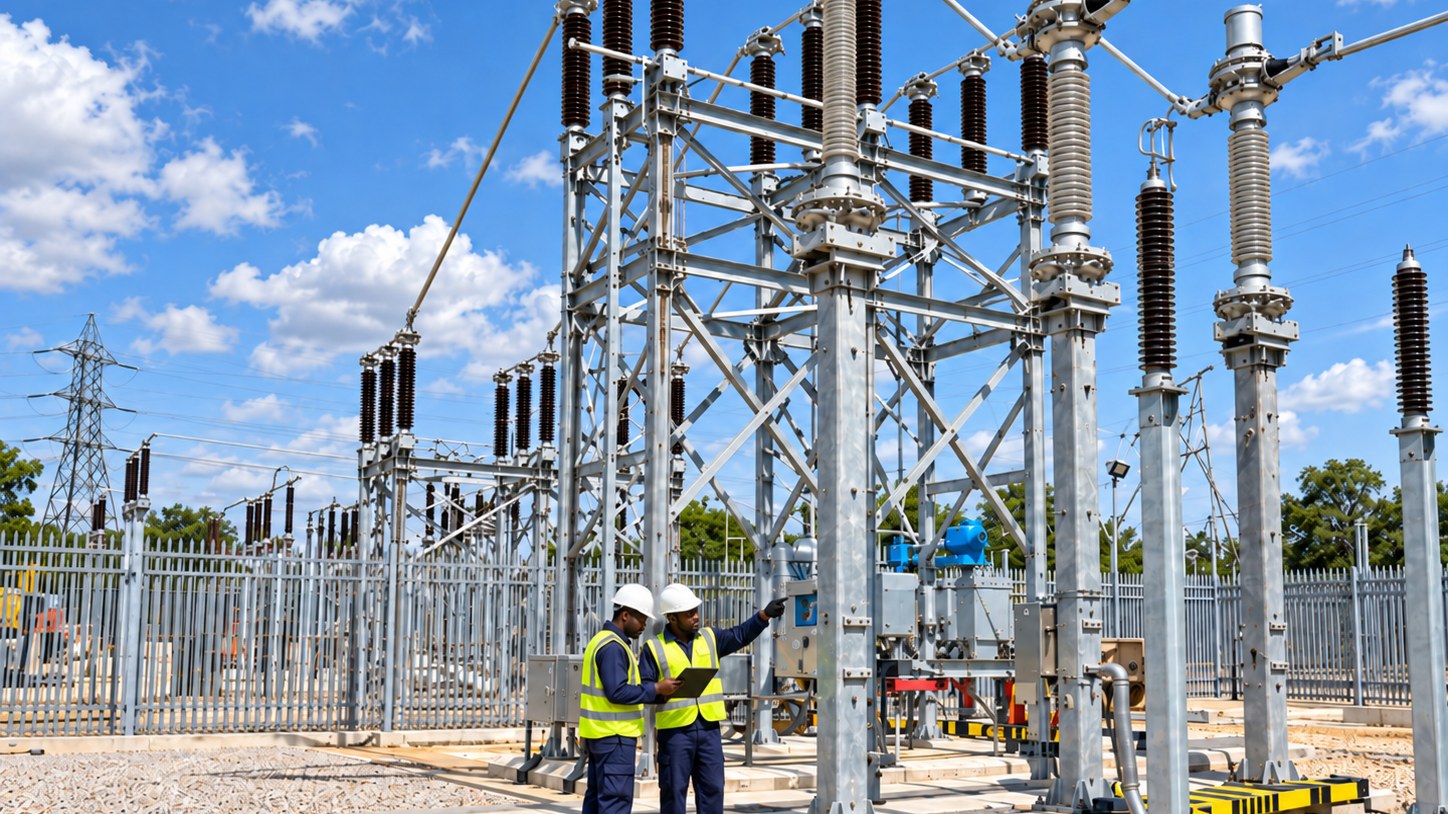
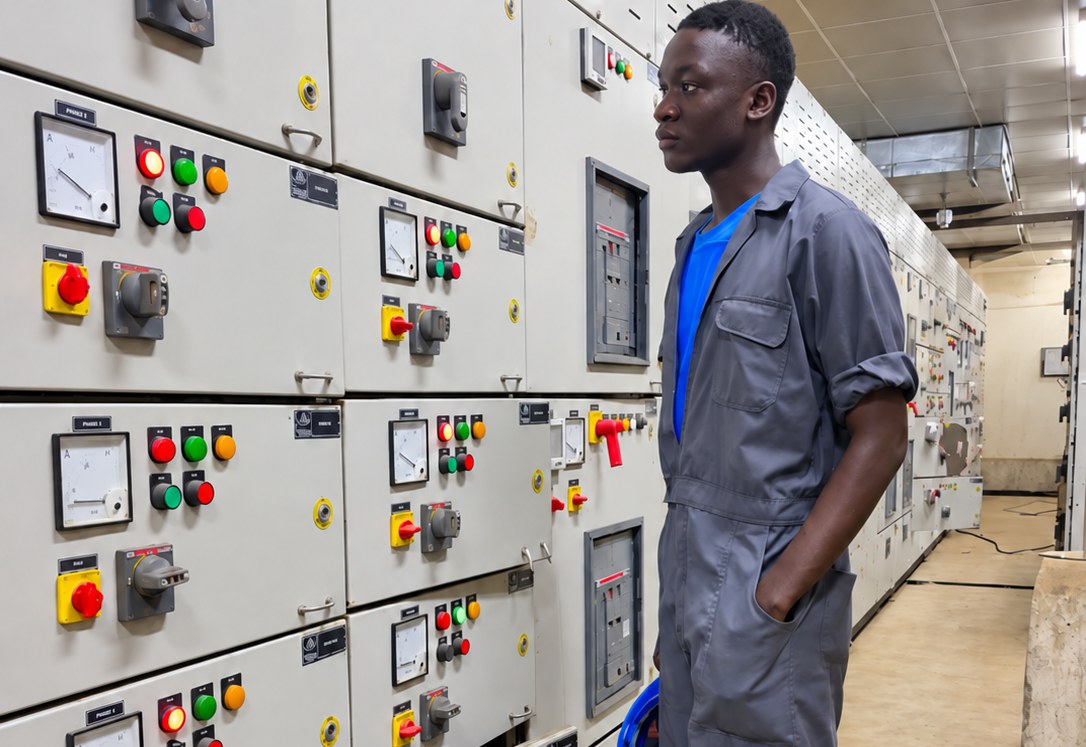
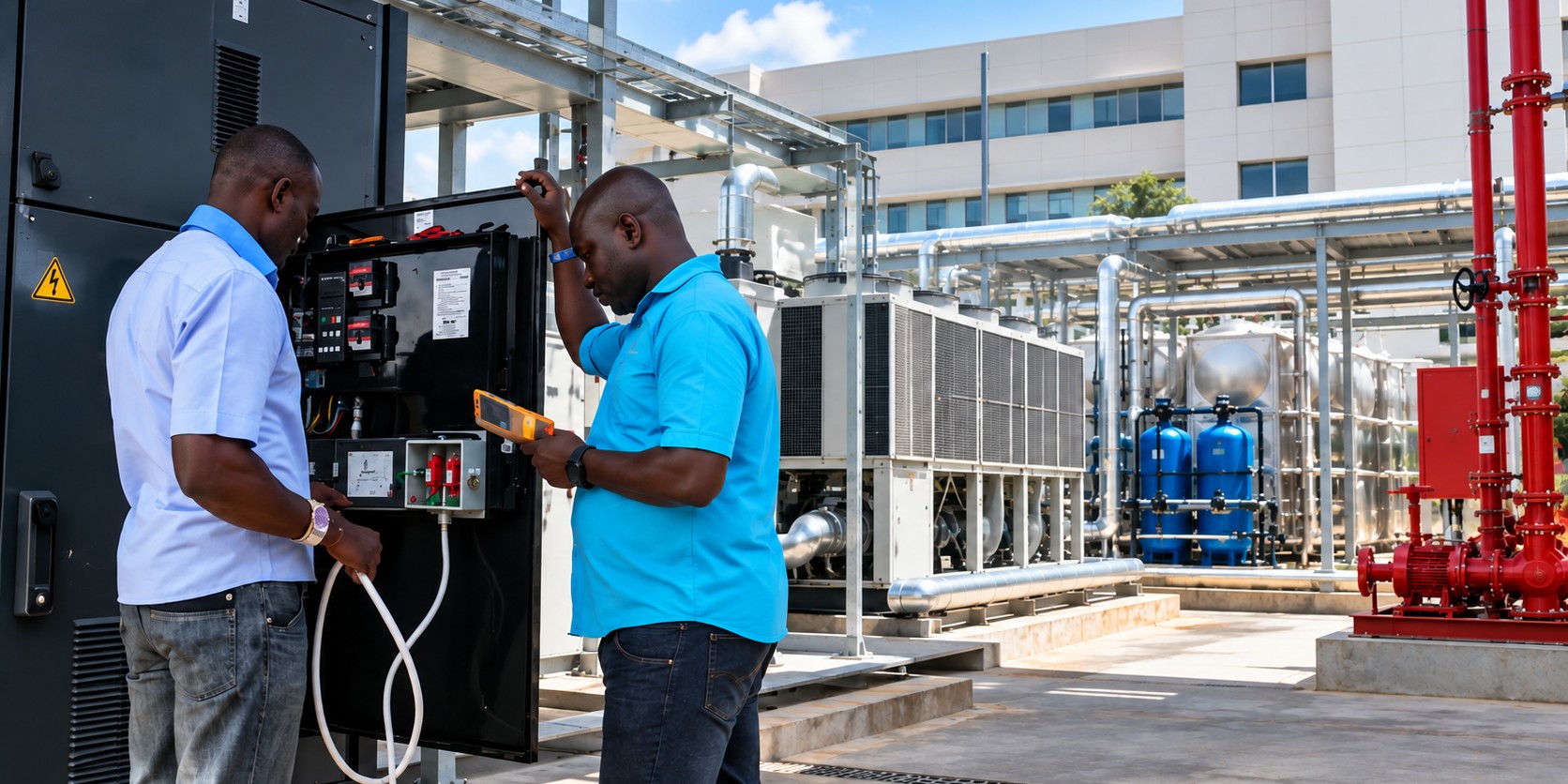
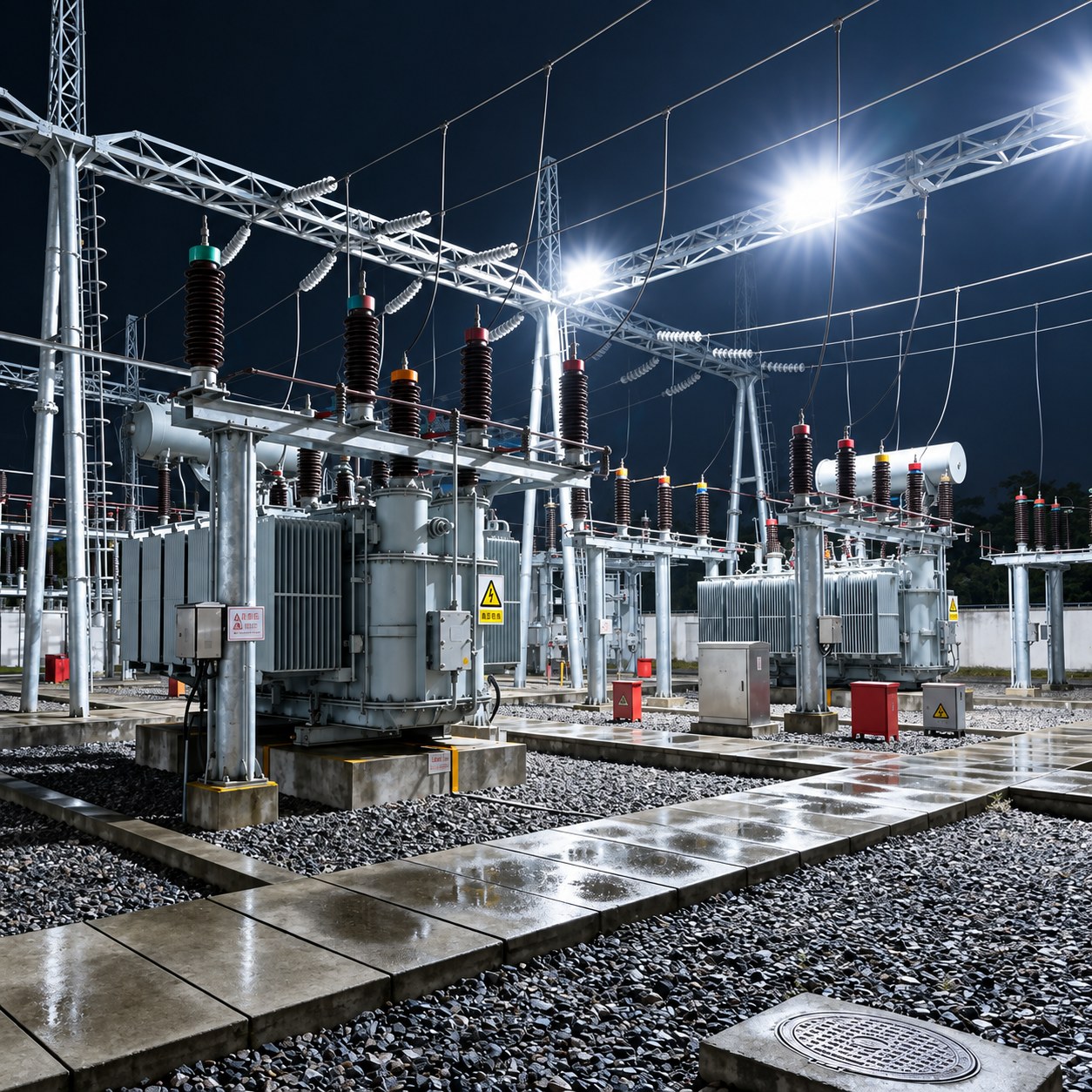
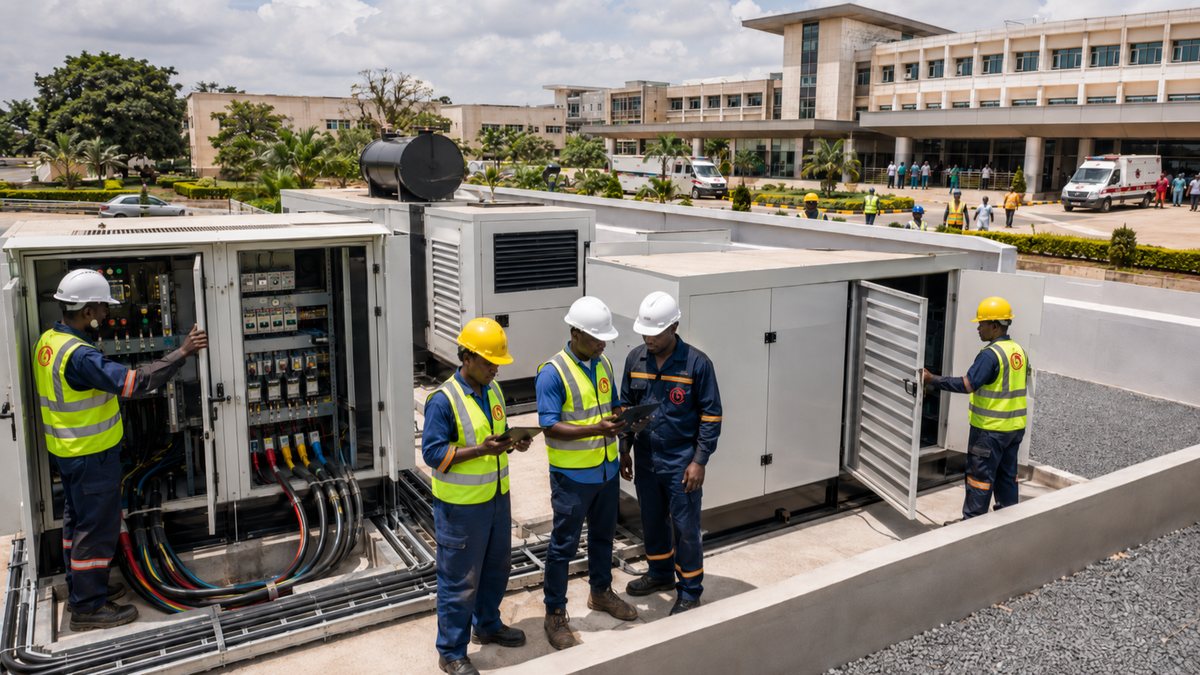
Incoming supply, distribution and standby generation engineered so critical loads stay energised through faults, switching and grid interruption.
Engineering scopeElectrical Infrastructure
Typical applicationsHospitals, production plants, data halls, campuses and public facilities.
Systems and subsystems in this group
Electrical InfrastructureHigh Voltage Systems · Medium Voltage Systems · Low Voltage Distribution · Substations · Transformers · Switchgear · Backup Power · Generator Systems · UPS Systems · Power Quality Systems · Electrical Protection · Intelligent Distribution Networks
Power & Electrical Resilience
Incoming supply, distribution and standby generation engineered so critical loads stay energised through faults, switching and grid interruption.
Engineering scopeElectrical Infrastructure
Typical applicationsHospitals, production plants, data halls, campuses and public facilities.
Systems and subsystems in this group
Electrical InfrastructureHigh Voltage Systems · Medium Voltage Systems · Low Voltage Distribution · Substations · Transformers · Switchgear · Backup Power · Generator Systems · UPS Systems · Power Quality Systems · Electrical Protection · Intelligent Distribution Networks
Enterprise Support Company
Shared infrastructure. Specialist delivery.
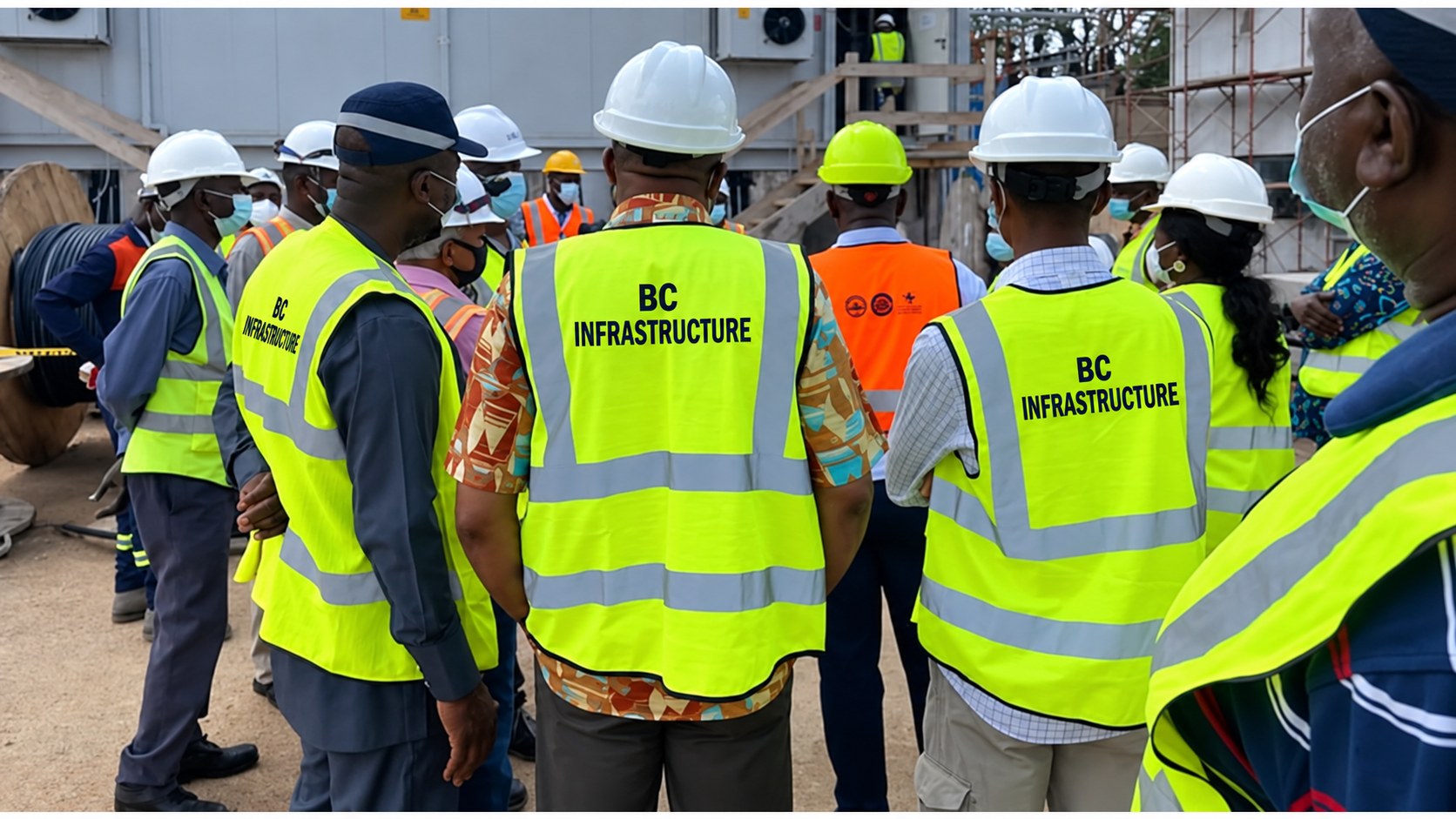
BC Infrastructure provides shared expertise in power, water, environmental systems, building technologies and critical utilities, while each specialist company retains responsibility for its primary project scope.
Shared infrastructure platformBC Infrastructure
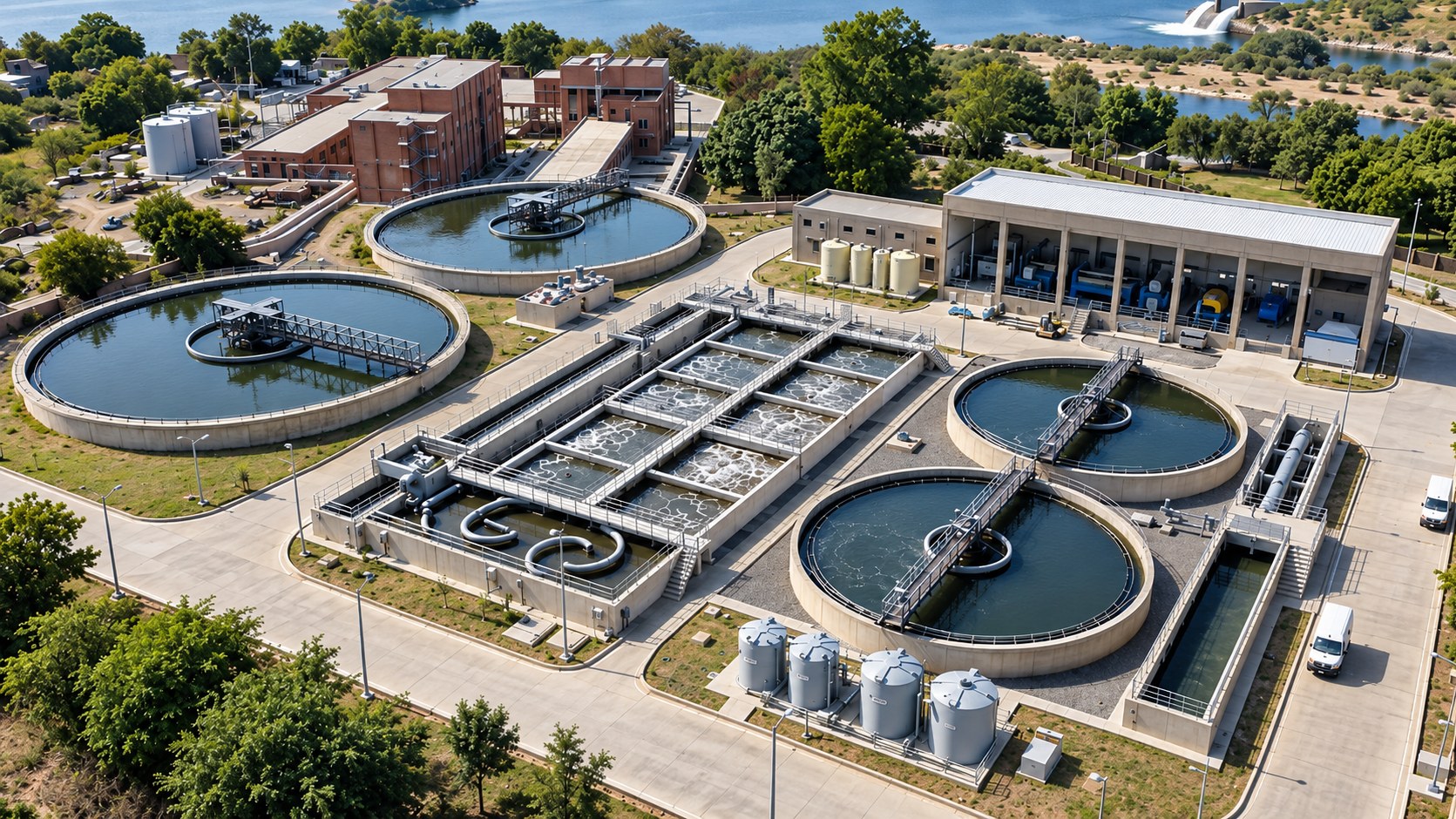
BC Infrastructure leads utility engineering, building technologies, energy systems and environmental infrastructure.
BC Pharmaceuticals
BC Pharmaceuticals leads pharmaceutical manufacturing facilities while relying on BC Infrastructure for specialised utility engineering.
Typical systemsPurified Water (PW) · Water for Injection (WFI) · Pure Steam · Pharmaceutical HVAC · Cleanroom Air Handling
BC Hospitality leads institutional hospitality infrastructure while BC Infrastructure supports utilities serving kitchens, laundries and accommodation systems.
Typical systemsHot Water Boilers · Chilled Water Plants · Water Treatment Plants · Cold Rooms · Building Management Systems (BMS)
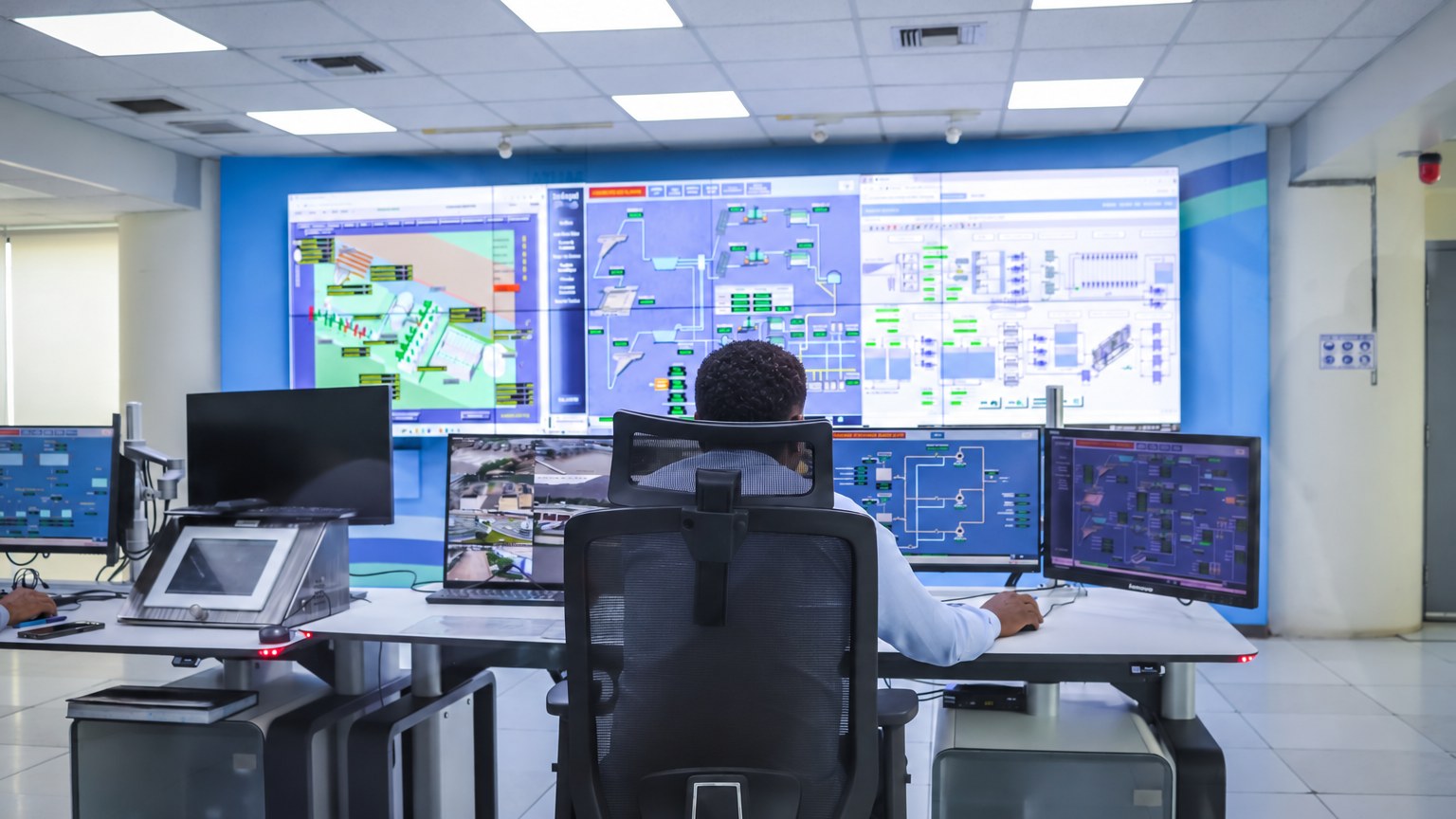
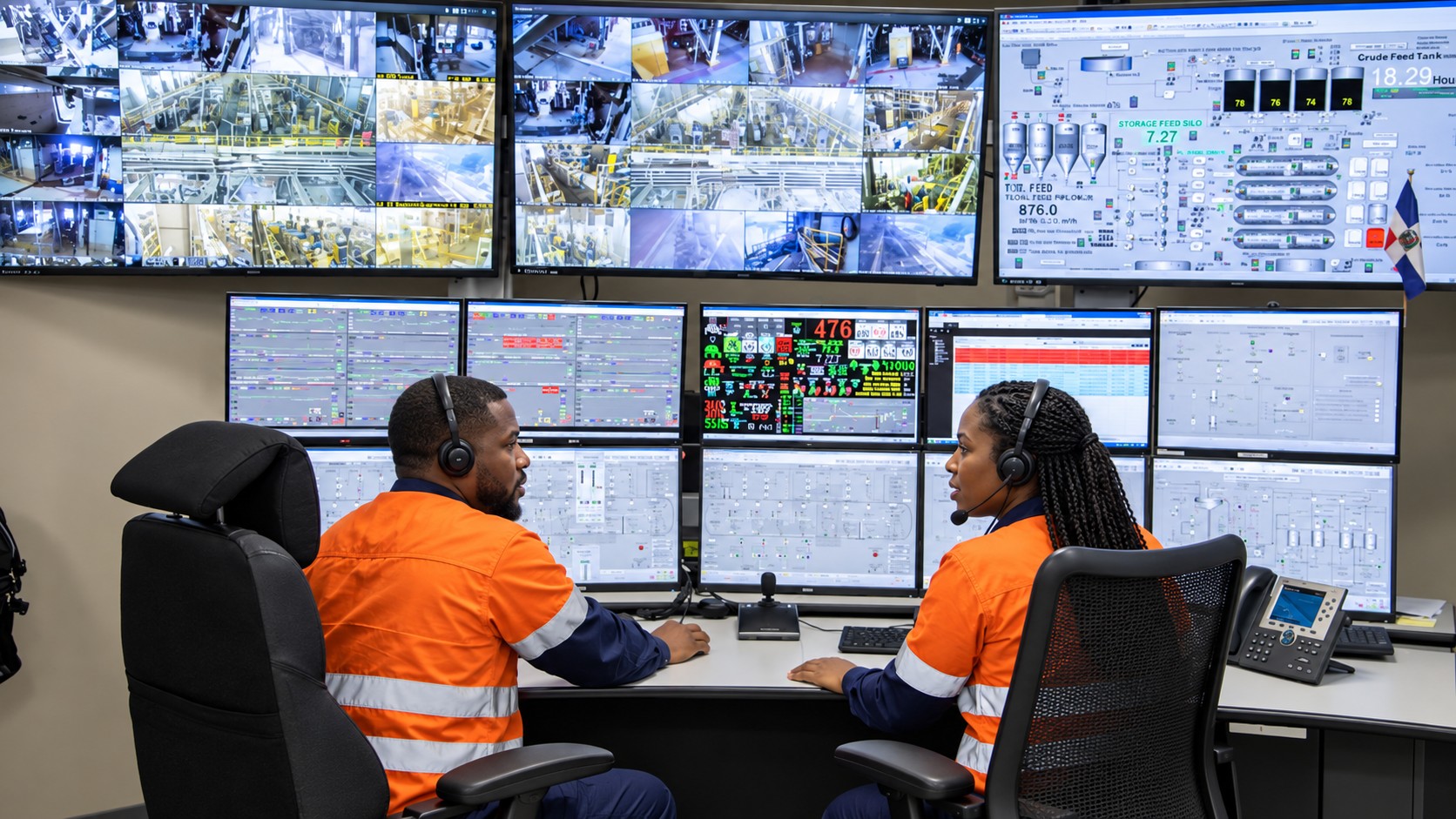
Digital infrastructure connects energy, water, HVAC, safety and building systems so operators can monitor performance, respond to alarms and make better-informed decisions.
Intelligent Operations
Building and utility control, automated operating sequences and coordinated plant scheduling, configured with the operator.
Artificial Intelligence · Digital Twins · Predictive Maintenance
Monitoring & Analytics
Energy, water, equipment condition and alarms brought onto dashboards so performance can be reviewed rather than guessed at.
Energy Analytics · Utility Dashboards · Automated Fault Detection
Connected Infrastructure
Metering, sensors, controllers and communications connected so separate plant reports into one platform.
Standards applied according to project requirements
Applicable international, national, sector and client standards are identified during project definition and applied according to the facility, the jurisdiction and the contracted scope.
Engineering domainFrameworks that may applyIdentified and applied for
Electrical & Energy
IEC Standards · Electrical Safety Standards · Local Utility Regulations
Supply arrangement, distribution design, protection and utility connection.
Fire & Life Safety
NFPA Standards
Where the client, insurer or jurisdiction specifies it, alongside local fire regulations.
HVAC & Environmental Control
ASHRAE Guidelines · Environmental Regulations
Air handling, thermal design, ventilation rates, emissions and discharge consent.
Healthcare & Pharmaceutical Facilities
WHO Technical Guidance · GMP Requirements
Clean utilities, classified areas and healthcare engineering, where the facility is regulated.
Management & Quality
ISO Standards
Project quality planning, documentation control and handover records.
Standards, approvals and authority responsibility
The standards listed are examples that may apply depending on project scope. Applicable standards are determined during project engineering and regulatory review; referencing a framework is never a claim of blanket compliance or certification.
Design approval, permitting, licensing, inspection and statutory acceptance remain with the relevant authorities and with the professionals contracted to certify the work. Referencing a framework describes how a project is engineered; it is not a claim of certification held, nor a guarantee of approval.
Training & Capacity Building
Building the capability to operate critical systems
Practical training helps operators and technical teams use, monitor and maintain infrastructure safely and effectively.
Operators
The daily reality: running the utilities, reading the system and knowing what an alarm means.
Utility Operator Training · Building Management System Training · Energy Management Training
Technical and maintenance teams
Keeping plant in condition: planned maintenance, safe working and structured fault-finding.
Preventive Maintenance Programmes · Electrical Safety Training · HVAC Operations Training
Safety and facility management teams
Readiness and responsibility: life-safety systems, specialist utilities and emergency procedure.
Fire Safety Training · Medical Gas Training
Training and certification scope
Accredited certification depends on the relevant training provider and applicable jurisdiction.
Installation of Standby Power Systems, Tamale Teaching Hospital
Supply, installation, testing and commissioning of standby generator systems to strengthen electrical resilience and ensure uninterrupted clinical ope…
Air Conditioning Installation, Makola Law School Teaching Laboratory
Supply and installation of commercial air-conditioning systems for the Makola Law School Teaching Laboratory, creating a comfortable, energy-efficient…
Upgrading and construction of dormitories, classroom blocks and science laboratory facilities to improve academic delivery, student accommodation and …
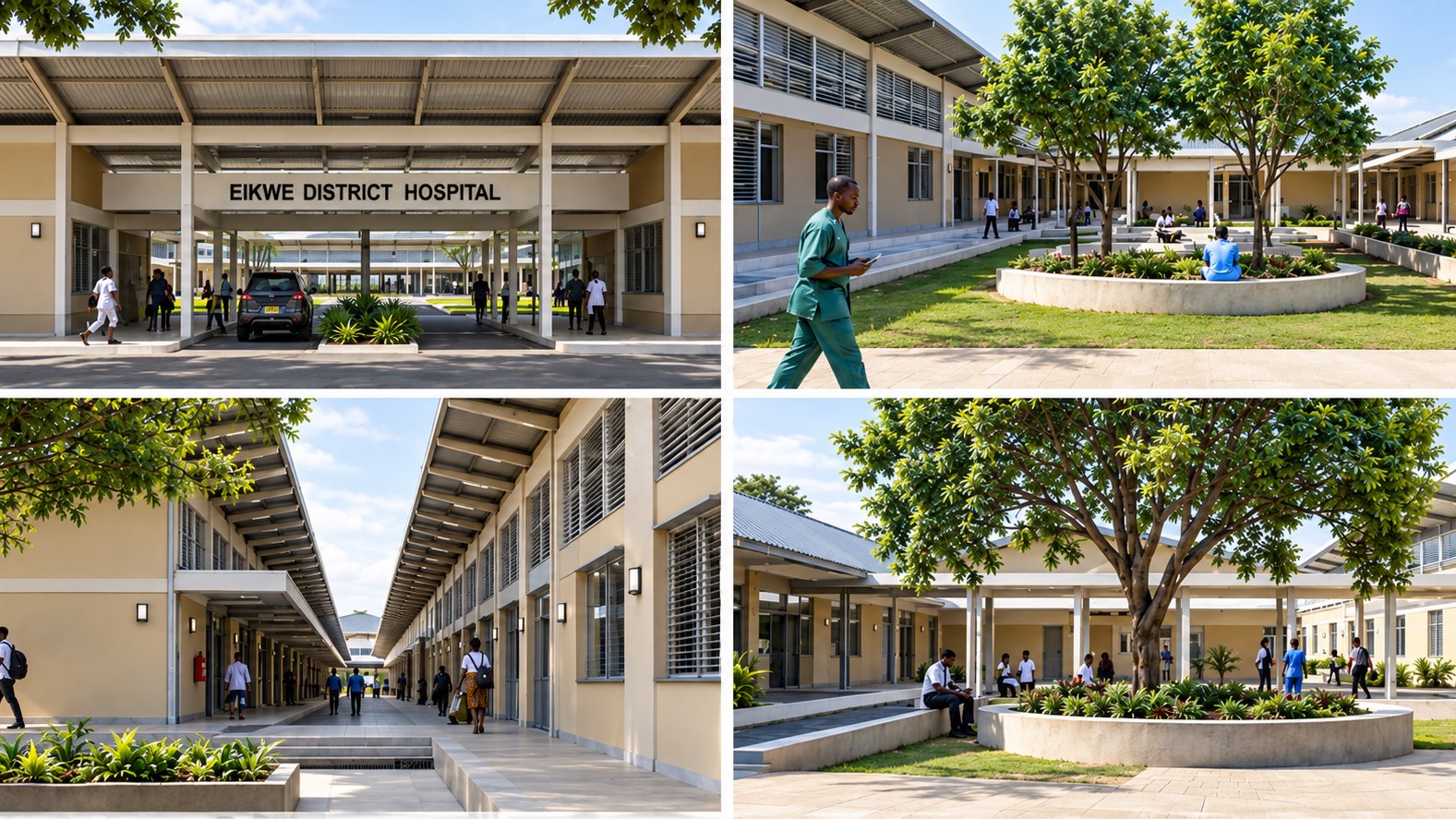
Upgrading, Construction and Equipping 18 Hospitals in the Western Region of Ghana under the “Healthy Mother and Child Project”(ENI Foundation)
Comprehensive upgrading programme supporting the transformation of eighteen healthcare facilities into fully functional district hospitals through inf…
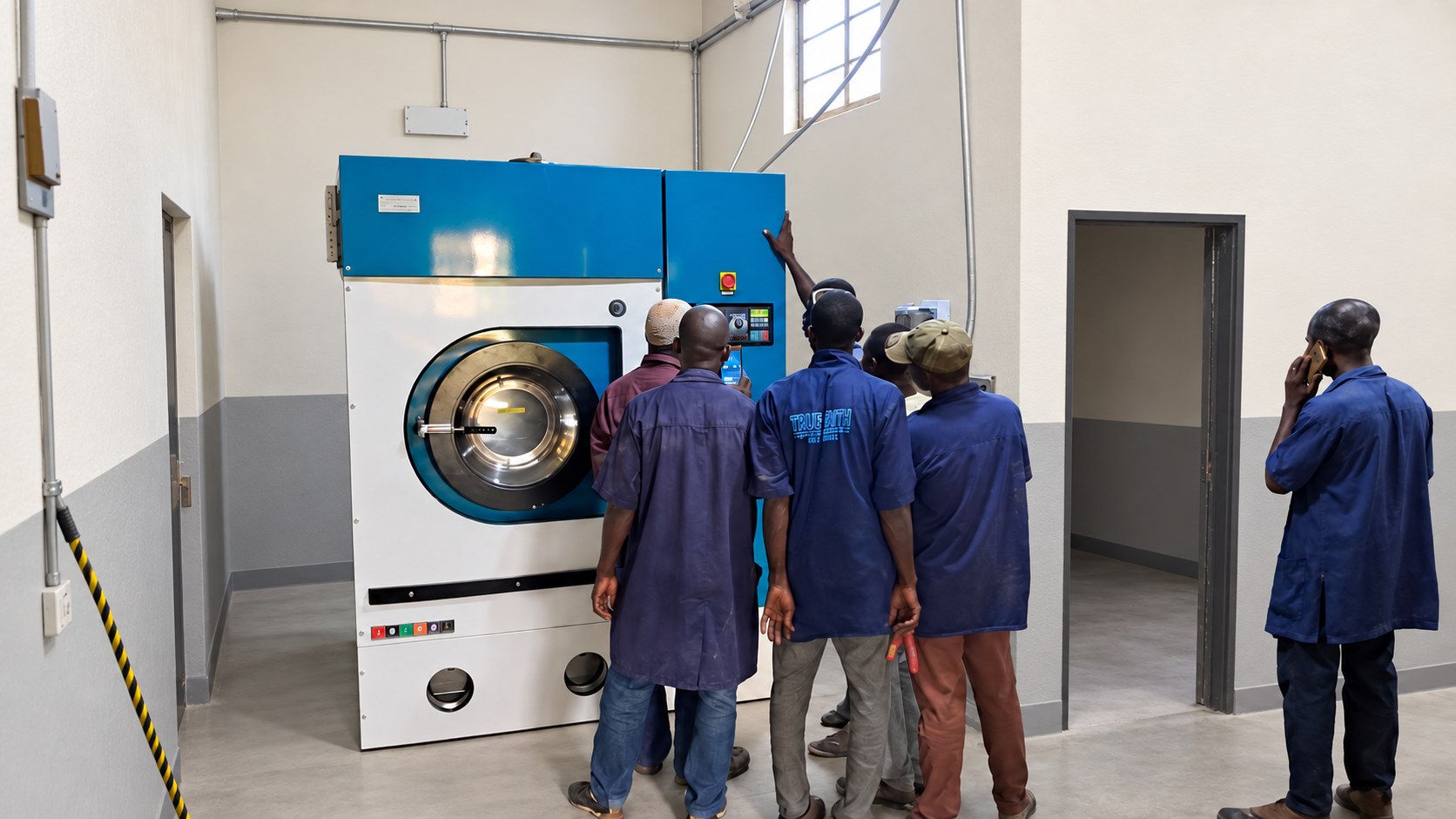
National Hospital Laundry Infrastructure Programme (12 Hospitals)
Construction of purpose-built hospital laundry facilities together with the supply, installation and commissioning of commercial healthcare laundry eq…
One team plans the utilities, engineers them, sources the equipment, commissions it and supports it afterwards, so the systems a facility depends on are designed as one. Every infrastructure decision should improve long-term operational value.